
The Maryland Collectible Auto Association wants to provide a clear, factual update on the current status of historic vehicle plates in Maryland.
If you were planning to testify, attend the hearing, or were closely tracking developments this week, you likely noticed something frustrating.
The historic plates testimony was cancelled.
This post explains why that happened, how we got here, and what the Maryland car community should know going forward. Most importantly, this issue is not over.
What Was Supposed to Happen
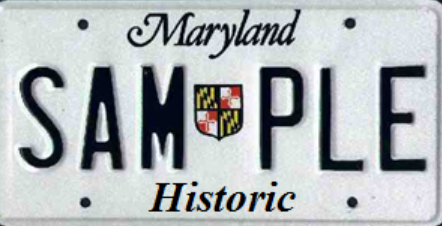
The House Transportation Committee was scheduled to hear testimony on two bills intended to address the damage caused by last year’s change to historic vehicle eligibility, which locked historic plates at model year 1999 and older instead of allowing a rolling 20-year window.
The bills scheduled for testimony were:
- HB4
- HB125
Both bills aim to correct that policy change.
Car enthusiasts cleared their schedules. Individuals prepared testimony. Car clubs mobilized. Many planned to be present in Annapolis or to watch closely.
Then the hearing was pulled from the agenda.
Why the Hearing Was Cancelled
After extensive follow-up by those directly involved, legislative aides confirmed the reason for the cancellation.
The Transportation Committee Chairman cancelled the hearing because leadership considers HB4 and HB125 to be too similar and wants them reconciled and heard together at a later date.
In short, rather than hearing the bills separately, leadership plans to bundle them and reschedule testimony.
That is the official explanation.
The Key Difference That Actually Matters
While HB4 and HB125 appear similar at first glance, there is one critical difference that carries real-world consequences. It comes down to a single word in each bill.
- HB4 uses the word “shall”
- HB125 uses the word “may”
This distinction is significant.
“Shall” directs the Motor Vehicle Administration to act. It effectively mandates grandfathering and removes discretion.
“May” gives the MVA discretion. That means there is no guarantee of action, and the burden shifts back to individual vehicle owners to request or justify relief.
This wording difference is one of the primary reasons leadership wants to reconcile the bills before moving forward.
The July 1 Effective Date Problem
Both HB4 and HB125 currently share another major issue.
Each bill has an effective date of July 1.
This creates a real and immediate problem for vehicle owners:
If your historic registration has already expired, or expires before July 1, you may be forced to switch to regular registration and then reapply for historic plates later, even if corrective legislation ultimately passes.
Legislative aides have acknowledged that people are being actively harmed during this gap period. This concern is on record.
What Is Happening in the Senate
On the Senate side, there is SB452, sponsored by Senator Jennings.
Important context for the community:
- SB452 is currently a placeholder bill
- Its text traces back to legislation introduced in 2015
- As written today, it does not reflect the final intent
The Senator’s office has confirmed that SB452 will be amended to align with whatever version ultimately moves forward from the House. The House process is driving the outcome.
If you have read SB452 and been alarmed, do not panic. What matters most right now is how HB4 and HB125 are reconciled.
As Senator Jennings has stated, many Marylanders maintain vehicles for long periods of time, which reduces waste and supports a strong historic car community. The stated goal is to restore a definition that allows vehicles to qualify as historic as time moves forward, with bipartisan support and a focus on correcting the definition.
When Will the Hearing Be Rescheduled
This is currently the biggest unknown.
As of now:
- HB4 and HB125 are not on the Transportation Committee schedule through March 9
- Legislative aides recommend closely monitoring the committee calendar
- We have been told advance notice will be provided when the hearing is rescheduled
Based on committee patterns, the most likely windows are:
- Thursday, February 19
- Wednesday, February 25
These are educated guesses only. No date is confirmed.
Side Noise Versus Real Work
Public reaction has been mixed.
Some community members are constructively engaging legislators, asking informed questions, and providing real-world context.
Others are venting online about abuse, taxes, or politics.
The reality is straightforward:
Complaining online does nothing.
Direct, informed contact with legislators does.
That work is happening, and it matters.
How This Process Actually Works
A brief overview for context, because understanding the process helps set expectations.
- Idea for a Bill
Bills can originate from delegates, constituents, advocacy groups, state agencies, or the Governor. Only a member of the Maryland General Assembly can formally introduce a bill. - Drafting the Bill
Delegates work with the Department of Legislative Services to convert ideas into legal language. Once approved, the bill becomes official. - Introduction and First Reading
The bill is filed, assigned a number, and referred to a committee. No debate occurs at this stage. - Committee Review
This is where most bills live or die. Committees hold hearings, consider testimony, debate amendments, and vote on whether to advance the bill. - House Floor Process
Second and third readings allow for debate, amendments, and a final vote. - Senate Process
The Senate repeats a similar committee and floor process. Any changes must be agreed to by the House. - Governor’s Action
If both chambers pass the same version, the bill goes to the Governor to be signed, allowed to become law, or vetoed.
Bottom Line
Here is where things stand today:
- The testimony was cancelled, not killed
- HB4 and HB125 are still alive
- Wording differences matter more than ever
- Timing is critical for owners with expiring historic plates
This is a delay, not a defeat.
The Maryland Collectible Auto Association will continue monitoring the committee calendar and communicating updates. When a new hearing date is scheduled, we will share clear guidance on what to do and when to do it.
If you care about historic vehicles in Maryland, stay engaged. This is how laws actually get fixed.
